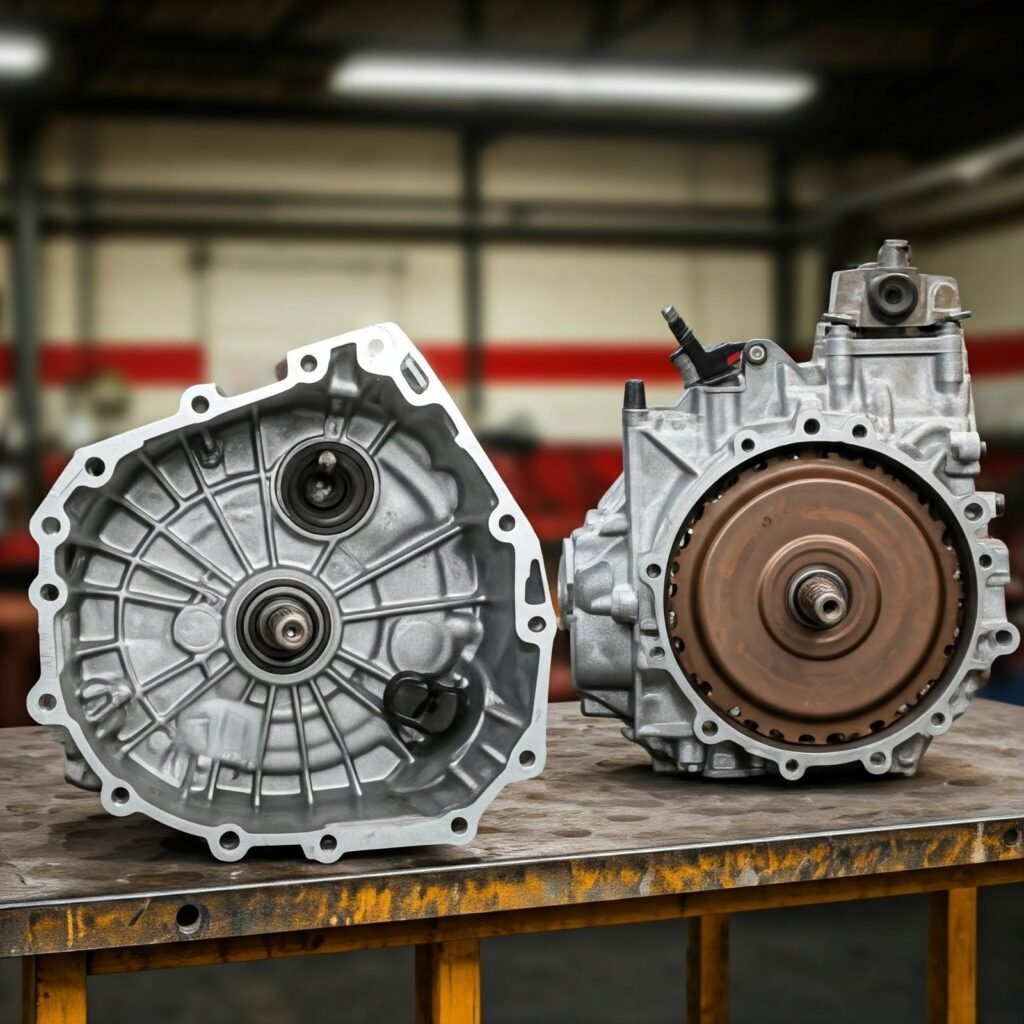
The gearbox is one of the most important parts of a car. It distributes power between the engine and the wheels for smooth, efficient driving. In this article, we explain the difference between a manual vs automatic gearbox. We then show why inspecting each one matters and how it is done. Each type has its own strengths and weaknesses, and both need regular servicing and inspection.
Manual vs Automatic Gearbox: What Is the Difference?
Manual Gearbox
A manual gearbox relies on the driver to change gears using the gear lever and the clutch pedal. The driver therefore controls the timing of each shift according to speed and road conditions. Its advantages include better control, especially on mountain and rough roads. Servicing is also usually cheaper, and it is generally more fuel-efficient. However, it takes skill and practice, and it needs more effort in heavy traffic.
Automatic Gearbox
An automatic gearbox shifts gears by itself according to the car’s speed and engine revs, with no input from the driver. It relies on components such as the torque converter and electronic systems. As a result, it suits beginners and busy cities, and it reduces driving effort. On the other hand, servicing usually costs more. It may also use more fuel than a manual, especially in older cars.
Why Inspecting a Manual or Automatic Gearbox Matters
Any fault in the gearbox can affect the car’s ability to move safely. A regular inspection also reveals small problems before they turn into expensive repairs. In addition, regular servicing keeps the gearbox efficient and extends its life. Some symptoms call for an immediate inspection, such as difficulty changing gears, strange noises, oil leaks, vibration or a delayed response.
In a manual: Press the clutch pedal and notice how smooth it feels. Next, try every gear and make sure the shifts are easy. Listen for any grinding or squealing when you change gear. Finally, check the level and quality of the gearbox oil.
In an automatic: Watch the response when you accelerate and slow down. The shifts should be smooth, with no jerking. Then check the oil level and colour, because dark oil or oil with a burnt smell points to a problem. A delay when changing gears may also indicate a fault in the torque converter.
The sensors, however, need an electronic diagnostic tool. That is why we carry out a computer car inspection to read their faults, along with an internal pressure test when needed. If you are buying a used car, ask for a used car inspection before purchase in Sharjah that includes the gearbox.
Tips to Look After Your Gearbox
First, change the oil according to the manufacturer’s service schedule. Second, avoid aggressive driving and sudden gear changes, because they cause wear. Also make sure the gearbox stays well cooled, especially in an automatic. Finally, have the gearbox inspected regularly, even if no problems show up.
In short, now that you know the manual vs automatic gearbox and the strengths of each, remember that inspection and servicing are essential to the car’s performance and safety. If you notice any unusual symptoms, consult an approved centre such as Jordan Car Inspection Center. Understanding the difference between a manual and an automatic gearbox also helps you choose your next car with confidence.
Follow Jordan Car Inspection Center on Instagram
To learn about vehicle registration and renewal requirements in the UAE, visit the official website of the Roads and Transport Authority (RTA).
Address: University Street, Industrial Area 13, Sharjah
Phone/WhatsApp: 055 572 2214 | Message us on WhatsApp
Open 24 hours.